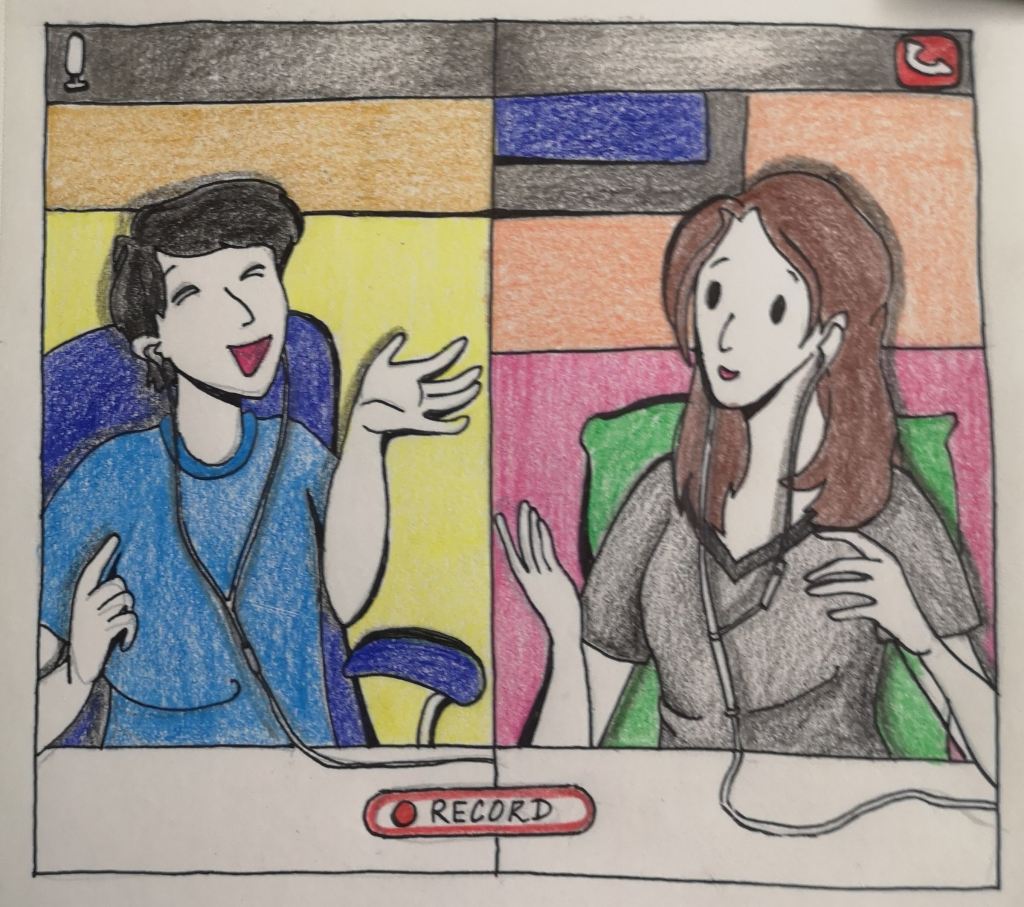
The podcast ‘Chippin’ Away’ has built a community for the discussions on history, anthropology and archaeology. Since its inception in 2020, my co-host and I had the pleasure to host early-career and established researchers as we talked about all things that connect our shared histories. In 2023-24, we had the opportunity to work with the Major General S. L. Bhatia History of Medicine Museum in Bangalore. The project was supported by the India Foundation for the Arts (IFA), Parijat Foundation, and St. John’s National Academy of Health Sciences. What has a podcast on humanities got to do with health sciences? Right? Let’s dive ~
“History is around Us” – will be the most cliche opener, but it is indeed the case! With Chippin’ Away, we want to bring the everyday histories and informed research in public discussion space. The stage was thus set: working on the collections and archives, and the people behind the Major Gen. S. L. Bhatia History of Medicine Museum. We named this series of 13 episodes as “Rooh” – an attempt to touch upon the spirit of the endevour of the history of medicine embodied through the museum collections. In this vein, the podcast episodes for this special collaboration move through the discussions on the collections in the museum itself, and the histories within, around, and of the museum and the collections. Check out the episodes below (click the title for link to the podcast episode):
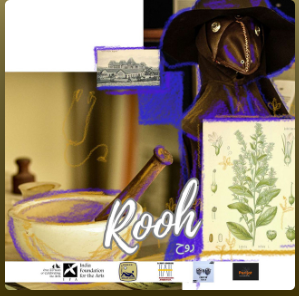
The introductory episode offers a sneak peek into Major S L Bhatia Museum of History of Medicine, Bangalore. Ms. Radhika Hegde offers a walkthrough of the museum, its exhibits and their archives at the museum within the St. John’s Hospital, Medical College and Research Institute campus (Bangalore, India). The episode takes a deep dive into the multifaceted collection at the museum, including new activities and ventures such as their herbarium.
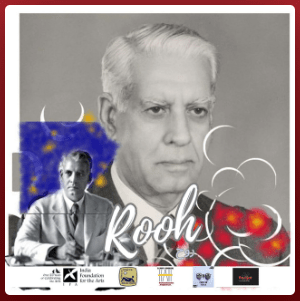
2. S. L. Bhatia: The Man, the Myth, and the Legend
Team Chippin’ Away interviews Dr. Sunil Pandya on the life and work of Major-General Dr. S L Bhatia. He takes the listener through the history of medical institutions and medical research with Dr. Bhatia’s biography. The episode unveils Dr. Bhatia’s work in the field of medical research, his contributions to the field of pathology and introduces his views as a humanist. Extolled as one of the finest medical practitioners in the pre- and post-Independence period of India, Dr. Bhatia’s life indeed treads the fine boundary between real life and idealised reality.
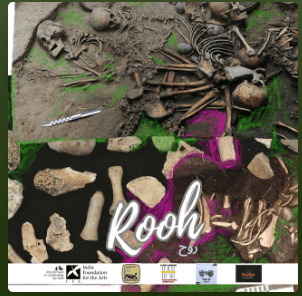
The history of medicine cannot begin without an archaeological survey of ancient health-seeking practices. We take the listeners on a whirlwind tour of the world, from Europe to North America and back to Asia, reviewing examples of medical practices and intentional caregiving practices in archaeological data. The episode discusses skeletal remains and examples of residue analysis, among other examples of archaeological remains that provide a glimpse into the ancient history of medicine in the world.
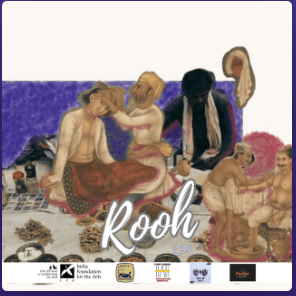
4. Of Gods, Goddesses, and the Divine
The discussion on material culture in the history of medicine lays a foundation for this episode which summarizes the oral and performative traditions in community health-seeking. Traditionally termed as “folk medicine”, we discuss the field of studying indigenous medical practices. The episode reviews belief systems that often animate diseases as deities themselves, to be propitiated and feared. On the other hand, the deification extends to the worship of deities to treat pandemics such as cholera for community health, which forms a part of this episode.
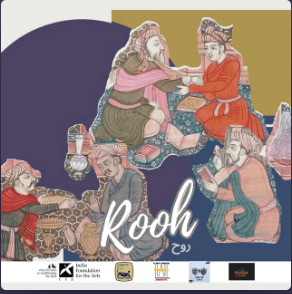
5. Medieval Medicine of the Mughals
A review of the history of medicine takes the discussion to a well-documented era of South Asian history, the medieval period under the Mughal Empire (c. 14th – 17th century CE). Ananth Adhyam takes a literary review of medical practices represented in the writings of the Mughal period. The episode discusses the attitude towards health-seeking practices, medicine men and record-keeping for medical procedures, amongst other features, of the time.
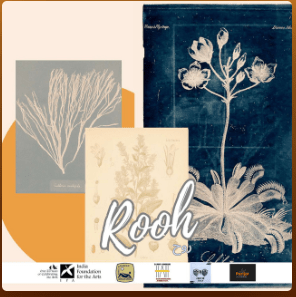
How could the history of medicine be complete without discussing herbs and plants!? Rashmimala Devi, an artist and botanical illustrator, takes us through the history of illustrating botanical samples of medicinal and ornamental varieties in South Asia. We discuss the practice of creating herbariums and the history of writing detailed manuals on local flora from at least the early medieval period in India. This episode combines various strands from the history of medicine and ties them with the herbarium now under development at the S. L. Bhatia History of Medicine Museum, Bangalore.
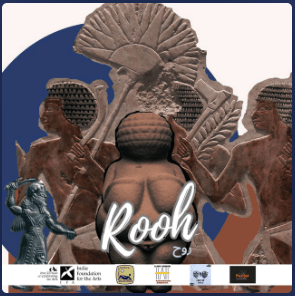
The visual representation of the human body forms an important piece in the medical history across the world. In this episode, Team Chippin’ Away interviews Snehal Tambulwadikar-Khedkar on various perspectives on human body represented through art across time. The discussions carry forward a historical lens to trace the changes in representing the human body as an idealized form, an abstract representation, or as an anatomically accurate tool for physiological studies. Starting from the ancient civilizations and their ideals for the human body in art, we discuss human bodies in sculpture, paintings, frescos and plastic art.
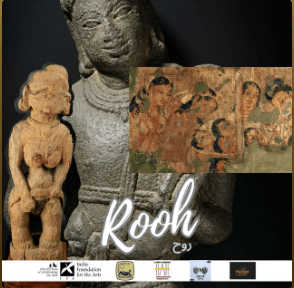
This episode takes a look at Anisha Anantpurkar‘s archival work at the Major Gen. S. L. Bhatia History of Medicine Museum. Anisha discusses the gleanings from past studies on human sculptures at various South Indian temples. The discussion focuses on the attempts to document anatomically accurate bodies through ancient and medieval sculptural traditions. We push the envelope to view art as mirroring lived realities of diverse bodies, ailments, body types, etc., represented on temple reliefs in South Asia – all from the rich collection at the museum archives!
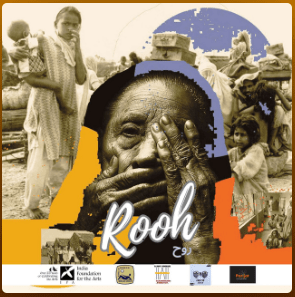
9. A Colonial account of Crime and Craze
Dr Shilpi Rajpal explores the records of mental health institutions of Colonial and Post-Colonial northern India in this episode. The episode discusses the British Colonial gaze on mental health and the institutionalisation of health-seeking practices, originally from the Western lens of the British record-keepers The intertwined realities of mental and physical health-seeking practices also become apparent through this discussion.
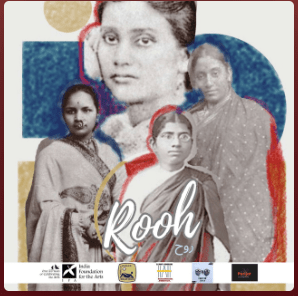
As we continue into the modern period, our discussion on the history of medicine in South Asia segues into a discussion on women doctors. Dr Mario Vaz charts the historical timeline of the practice of medicine through the biographical sketches of early female doctors and medical practitioners in India. The discussion develops into a review of a historical overview of medical history in India that takes the listeners to the erstwhile British Colonial India and traces the influences of modern medical practices in India.
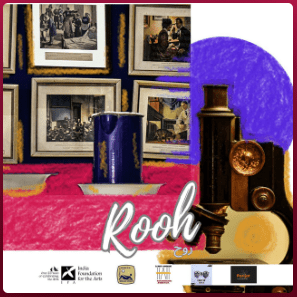
The discussions in this series bring us back to the museum space. Meera Krishnamurthy attempts to embody these stories through the museum objects on display at the museum. Using tabletop animation and other techniques, her project enlivens the objects to fill in some of the gaps in the storytelling presented through dioramas and information plaques at the museum. Team Chippin’ Away and Meera chip away at animating various facets of the history of medicine at the SLB museum.
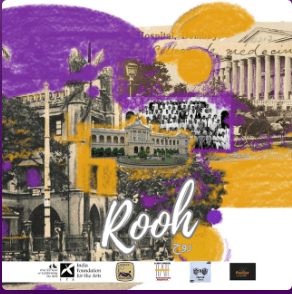
12. A Closer Look: Princely States and Medical Institutions
Early medical institutions, especially in the late eighteenth and early nineteenth century, were curated and funded by the colonial government, missionaries and philanthropy. While the role of the British Colonial Government and missionaries is better known, the role of individual and other philanthropic institutions, such as royal families and princely states are often overlooked. In this episode, we have Radhika Hegde discussing the role of princely states in the institutionalisation of health and medical practices in South Asia with a case study of the erstwhile kingdom of Mysore and its royal family, the Wodeyars. The foundations of this research project are based on archival material preserved at the Major Gen. S.L. Bhatia History of Medicine Museum, Library and Archives, supplemented with resources from the Karnataka State Archives and the Mythic Society.
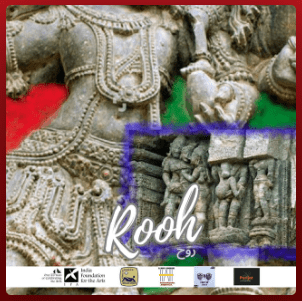
13. The Art of Medicine: Humanizing a Science
The last episode of the series summarises the many themes considered until now, and throws light on how the broader world evaluates the contributions of South Asia to the growth and development of modern-day medical systems and institutions. Dr Edwin Cosalan, drawing from his breadth of experience, helps situate and contextualise these contributions and elaborate on the importance of an active understanding of the history of medicine for healthcare providers and professionals, and on our way forward.
Please keep an eye out for more discussions on this series, and check out other activities such as museum walks and talks on the Major General S. L. Bhatia History of Medicine Museum website and the IFA website.
The series, ‘Rooh’, is the outcome of a Foundation Project within the purview of the Archives and Museums Program of the India Foundation for the Arts in collaboration with the S.L. Bhatia History of Medicine Museum, Library and Archives, Bangalore, to explore the many themes of the History of Medicine. Part funding was also provided by the Parijat Foundation.


Leave a Reply